
ABOUT
Sonny Alves Dias
I'm Sonny, a French software engineer based in China.
I'm CTO at EXP., where we build EXP.OS: software for bookings, loyalty, connected spaces and location-based games. Before that, I was CTO of Pixelmatic, a game studio in Shanghai, for ten years.
I care more about what software changes for the people using it than about the code itself. I also write things down, and I try to change my mind when I find better reasons.
Work.
- 2026–now
CTO
I lead the engineering team behind the EXP.OS ecosystem (CORE, XEN, REM, ARTEFACTS), guide architecture and development practices, and oversee software quality.
Working on
CORE
Bookings & resources
Booking and resource management for spaces, people, equipment and time. Built for experience businesses such as hotels, yoga studios, salons, coaching and venues, with a simple CRM, flexible pricing, online payment and real-time dashboards.
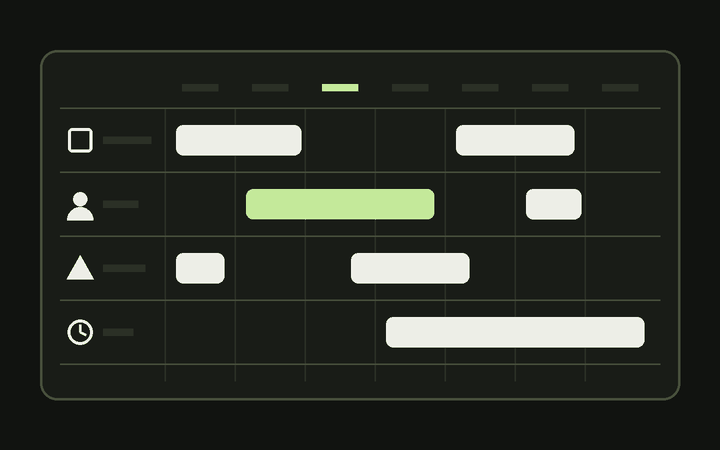
Image: illustration, not a screenshot XEN
Loyalty & membership
Loyalty points and membership rewards, integrated with CORE. A business issues its own points, gives them a fixed value and an expiration date, and controls how they are redeemed.
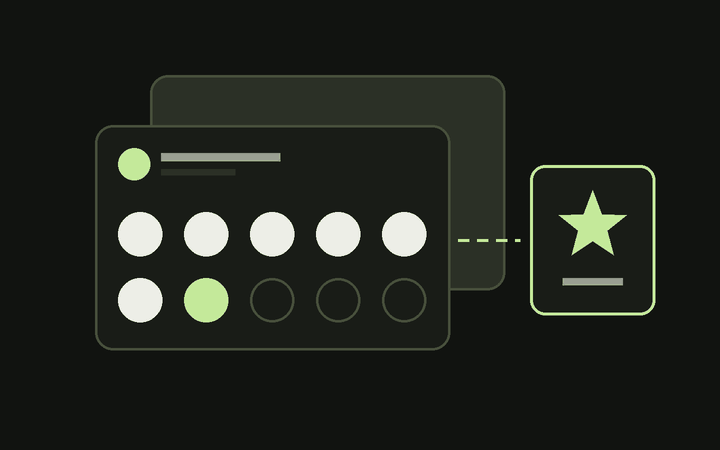
Image: illustration, not a screenshot REM
IoT & access control
Connected devices and time-based access to physical spaces, controlled through a browser. REM stands for Responsive Environmental Modulator: a brand-agnostic hub for smart devices. Door codes can be updated or voided remotely, and guests need no app.
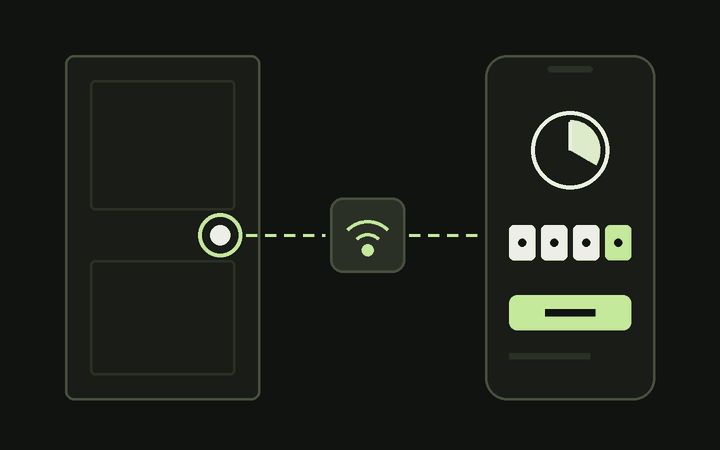
Image: illustration, not a screenshot ARTEFACTS
Games & storytelling
A no-code composer for location-based games and interactive stories in the real world. Creators combine images, video, audio and quizzes into games played on location, with friends, family or colleagues.
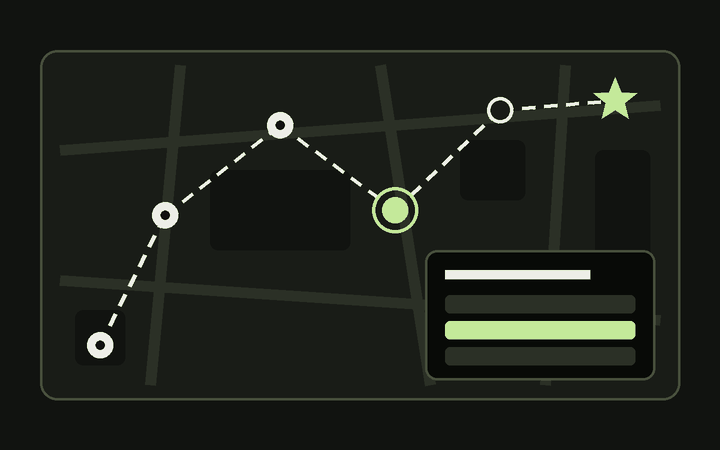
Image: illustration, not a screenshot
- 2023–now
Senior software engineer, contract (alongside EXP.)
Client projects
Hands-on work embedded in client teams: features for a game-agnostic backend platform, a secrets management pipeline, an observability stack for a Kubernetes cluster, and a booking management system with Google Calendar integration.
Go, TypeScript, Python, Kubernetes, Terraform, Azure, OpenTelemetry, Grafana
Worked on
Game backend platform
Contract work 2023
A game backend used by multiple AA games.
My part I worked on inventory, asynchronous messaging and the observability stack.
What I learned Very professional code. I stepped up in TDD and testing in general, and in Go, with advanced topics like observability.
- 2014–2024
CTO
Pixelmatic · Shanghai
Led the development of Infinite Fleet, a 3D sci-fi MMO action-strategy game, with a team of up to 30 engineers. Managed backend development and DevOps for Vainglory, a MOBA that peaked at more than 100,000 concurrent players. Directed additional content for a Warhammer 40,000 mobile game, and led the development and release of the mobile game Gem Wizard.
C#, Unity, TypeScript, Python, Go, Terraform, Ansible, AWS
Worked on
Magical Crypto Conference VR 2020
Online VR conference 2020
Based on Mozilla Hubs, we created and served a 2-day conference in VR about Bitcoin and cryptocurrencies, during the pandemic.
My part Technical support and DevOps, and moderator during the conference.
What I learned In the middle of COVID, a very positive experience of VR. It was a lot of fun, and I would like to find that kind of experience again one day.
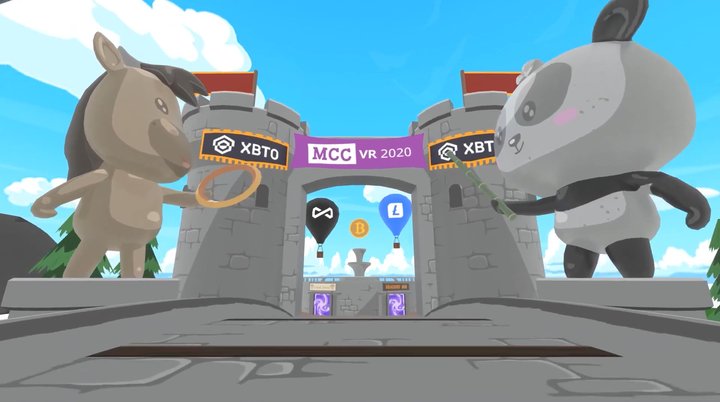
Image: Magical Crypto Friends Magical Fun
Kids 2019
Educational app for kids to learn English and the alphabet. The ambition was also to teach a bit about Bitcoin.
My part Lead developer.
What I learned I really enjoyed this one: a collection of mini-games for kids, with a lot of juice, and multi-touch support for kids who don't yet use a phone with one finger. I also learned a lot about 2D animation in Unity.

Image: Pixelmatic Infinite Fleet
MMO action strategy 2018
MMO game set in space, with crypto elements to allow trading of spaceships.
My part I led its development, with a team of up to 30 engineers.
What I learned A big step, from lead developer to managing a team of lead developers. It pushed my management, my personal organization (tasks, notes) and my business knowledge: fundraising, finance, HR and accounting.
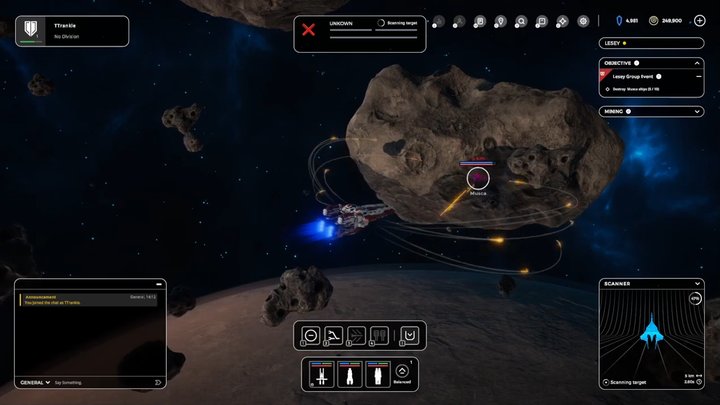
Image: Pixelmatic Vainglory
Multiplayer online battle arena 2016
My part Technical release and support of the game in China, then global technical support, and backend and infrastructure development.
What I learned How much observability matters, for performance, service health and costs. And everything about deploying in China and complying with Chinese rules, with a lot of network routing optimization, MPLS tunnels included.
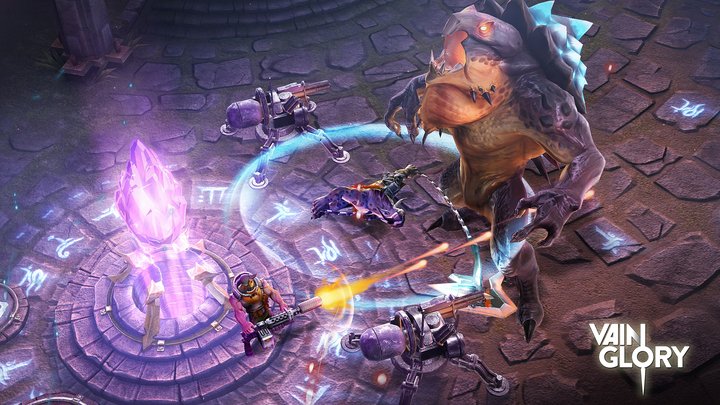
Image: Super Evil Megacorp Crossword engine
Puzzle 2015
A responsive crossword engine in Unity, for a mobile game.
My part I did the main part of it myself, with extra care on responsiveness and touch controls.
What I learned I really enjoyed this one: reworking a UI, going all in on responsiveness, and building a clean engine, again with a North American team.
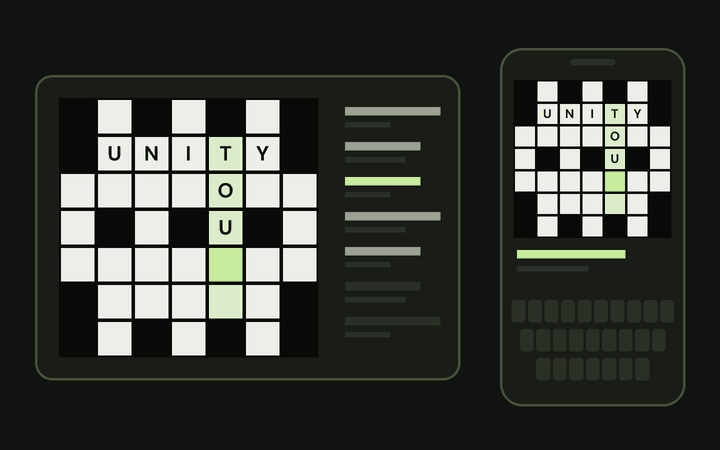
Image: illustration, not a screenshot A Warhammer 40,000 mobile game
Mobile action game 2015
My part Help with the localization for the Chinese market, and then additional content.
What I learned My first big 3D mobile game with a substantial backend, and the start of my work with North American teams, as an outsourcing partner. I also learned what publishing a game in China involves.
Image: illustration, the game is not named Gem Wizard
Puzzle 2014
"Casual-core" match-3 game including RPG mechanics and a free-to-play business model.
My part I led its development and release.
What I learned I joined near the end of development. The game was fun to play, but its code was hard to operate, so I did a lot of debugging, optimization and refactoring. At the height of free-to-play, I also learned how much good marketing and mobile distribution matter.

Image: Pixelmatic
- 2013–2014
Lead UI engineer
Spicy Horse · Shanghai
Led a team of two on the user interface overhaul of Akaneiro: Demon Hunters, fixed gameplay bugs, and managed builds and releases on Steam.
Worked on
Akaneiro: Demon Hunters
Hack and slash 2013
My part UI revamp and general bugs fixing, leading a team of two. I also managed the builds and releases on Steam.
What I learned Making a game UI responsive, and integrating and publishing a game on Steam.
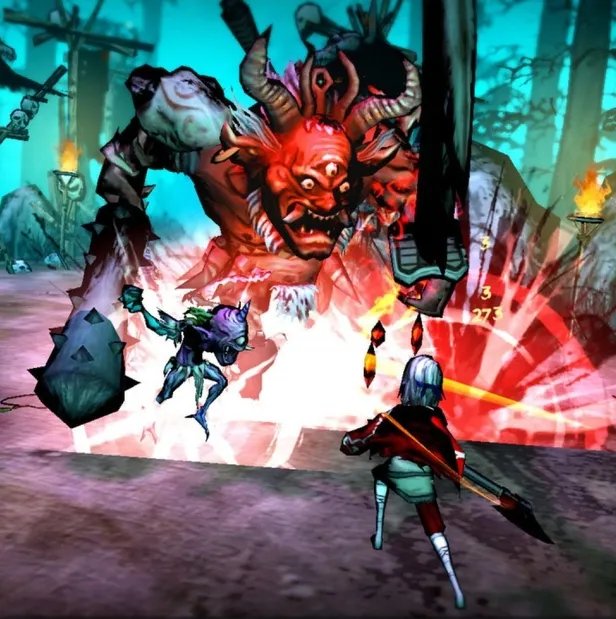
Image: Spicy Horse
- 2012–2013
Project manager and lead engineer
Numeri4D · Montbéliard, France
Led a cross-functional team of five on an augmented reality application generator for the construction industry, for clients including Bouygues Construction and Vinci. Designed and developed a serious game to train staff in operating and maintaining a gas power plant.
Worked on
Power plant training simulator
Serious game 2013
Training of the new recruits within a gas power plant recreated in 3D.
My part I designed and developed it.
What I learned My first real professional experience in games, and my real start with 3D and the 3Cs: camera, controls and character.
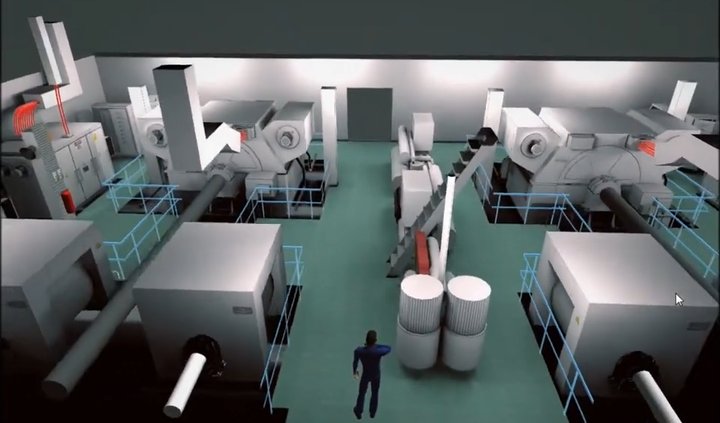
Image: Numeri4D Ramby
Augmented reality tool 2012
It automates the creation of augmented reality scenes, using 2D markers and also on location, for the construction industry.
My part Project manager and lead engineer, with a cross-functional team of five.
What I learned A hard project, with a lot of custom tools: I helped build an image editor in .NET, a kind of mini Inkscape, a C++ converter from FBX to a proprietary format, mesh optimization, and the iOS and Android releases.
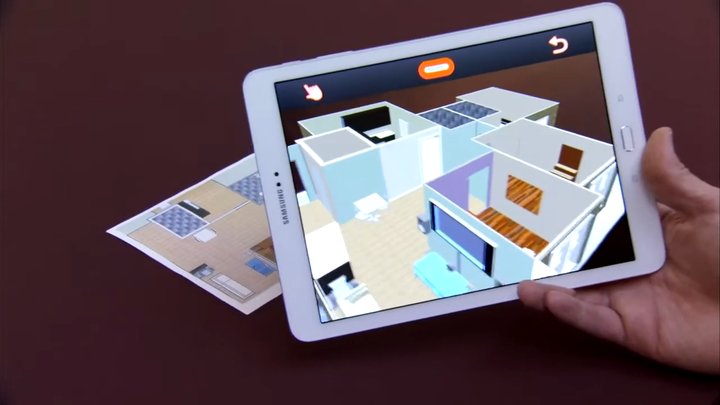
Image: Numeri4D
Education.
- 2009–2012
Software engineering diploma (Master's degree)
UTBM (opens in a new tab) (Belfort, France)
- Final semester
Kyushu University (opens in a new tab) (Japan). In a research laboratory of the Graduate School of Design. I presented one of the papers I wrote there, with Yuka Inokuchi and Hideyuki Takagi, at a conference in Osaka in March 2012.
Evolving a Human Player Model for the Star Trek Game (PDF, in Japanese with an English abstract)
Record in the Kyushu University repository (opens in a new tab)
- Final semester
- 2007–2009
Bachelor's degree
University of Burgundy (opens in a new tab) (Dijon, France)
- Erasmus exchange
Northumbria University (opens in a new tab) (Newcastle, England). One semester.
- Erasmus exchange
- 2005–2007
DUT in computer science (two-year university diploma)
IUT de Saint-Dié-des-Vosges (opens in a new tab) (France)
- Exchange programme
Wrexham University (opens in a new tab) (Wales). An internship, where my main project was a checkers game made in Flash and ActionScript.
- Exchange programme
A few numbers.
- Up to 30 engineers on Infinite Fleet at Pixelmatic
- 100,000+ peak concurrent players on Vainglory, where I managed backend and DevOps
- 14+ years building software, since 2012
- 6 podcast conversations with software engineers, in 2021
How I work.
I write expectations down, so a team can discuss them.
My Leadership Clear ContractI listen to people's reasons, including my own, and change my mind when they don't hold.
Street EpistemologyI keep dependencies moving without rushing every update.
Modern dependency managementI like learning by making something fun.
Introduction to programming for kids
Skills.
- Languages
- Go, TypeScript, JavaScript, Python, C#, C/C++, Bash, PHP, SQL
- Infrastructure
- Kubernetes, Terraform, Docker, AWS, GCP, Azure, Alibaba Cloud, Ansible, GitHub Actions, ArgoCD, Nginx
- Data
- Postgres, MySQL, SQL Server, SQLite, Couchbase, Redis
- Spoken languages
- French (native), English (fluent), Chinese (elementary)
Elsewhere.
- sonny [at] alvesdi [dot] as
- RSS
- Writing feed
No cookies here. Visits are counted with Umami on my own server, which does not collect personal data. Your terminal theme, motion setting and game scores stay in your browser.